
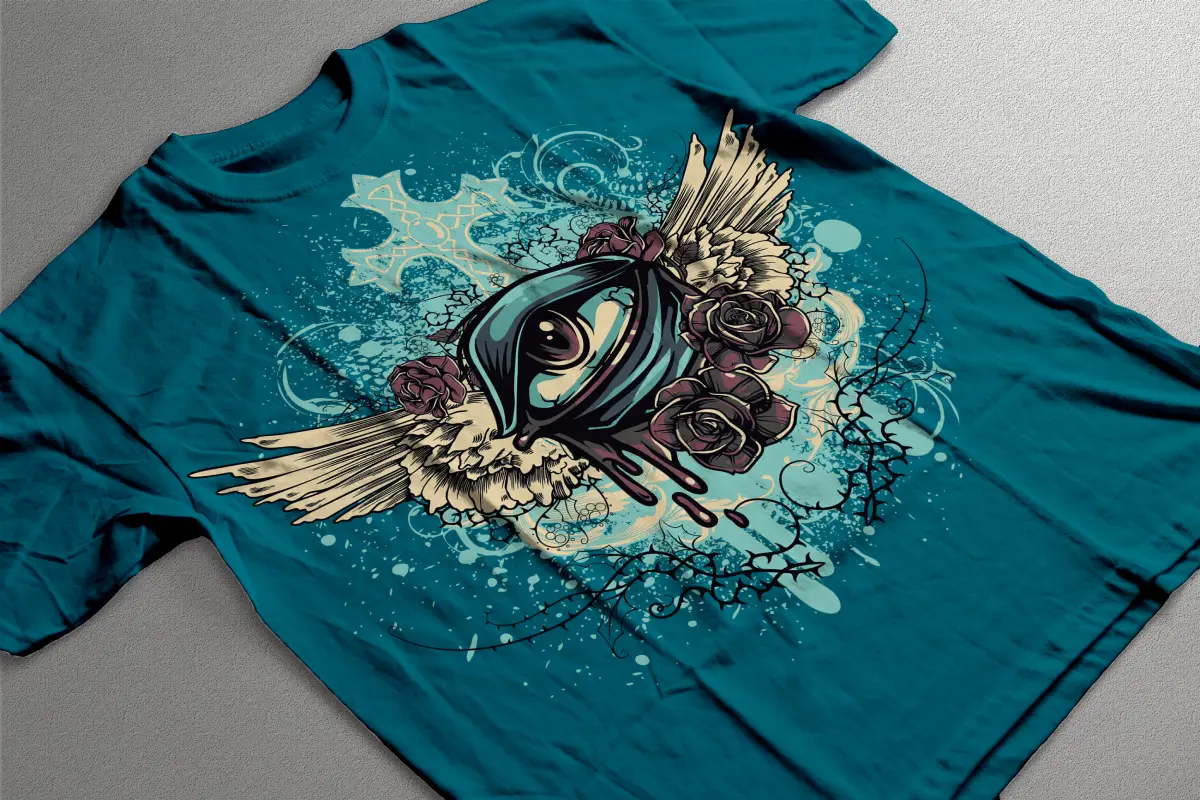
Modern garment customization has moved past the era of messy emulsions, high minimum order thresholds, and rigid fabric limitations. Independent fashion brands, corporate merchandise coordinators, and local print shops are actively shifting toward high-efficiency digital decoration pipelines that maintain premium wash fastness and vibrant color reproduction. High-quality dtf transfers have confidently stepped into this demanding landscape, transforming the way custom apparel is conceived, stored, and executed. This innovative thermal decoration method allows complex graphic assets, multi-colored photographic gradients, and clean vector typography to be printed directly onto specialized carrier sheets and archived for on-demand application. By utilizing this flexible system, creators can scale their production workflows without taking on massive machinery debt or handling harsh chemicals.
The Structural Chemistry of Modern Garment Decoration Systems
Understanding the internal engineering of this decoration pipeline explains why it outperforms legacy print methods across diverse textile blends. The entire operation relies on specialized digital print engines equipped with advanced industrial printheads. The hardware deposits premium cyan, magenta, yellow, and black pigment inks onto a clear polyethylene terephthalate carrier sheet that features a heat-stable silicone or matte release coating. Immediately following the primary color pass, a dedicated white ink channel lays down a dense backing layer over the graphic, which gives the design exceptional opacity and vibrance on dark-colored substrates.
While this liquid white ink layer is fully exposed and wet, the sheet moves through a mechanical powder shaker or manual application zone where a specialized thermoplastic polyurethane granular adhesive is applied evenly across the entire printed area. The granular adhesive clings exclusively to the wet ink, while excess powder is clean lifted off the unprinted margins of the clear film. The transfer sheet then enters a specialized curing unit, thermal tunnel, or custom heat press station set precisely between 230 and 260 degrees Fahrenheit. This specific temperature range melts the solid polyurethane particles into a cohesive, flexible adhesive coating that chemically fuses with the underlying pigment layers. Once fully cured and returned to room temperature, these sheets can be stacked, cataloged, and securely stored for months at a time, protecting print shop inventory from unexpected production bottlenecks.
Advanced Parameters for Flawless Thermal Application
Converting a cured graphic sheet into a finished retail garment demands meticulous regulation of temperature, cycle times, and mechanical downward pressure. Because natural fibers, technical performance synthetic blends, and heavy outerwear respond differently to sustained thermal exposure, using uncalibrated settings will lead to structural print failures, edge fraying, or scorched fabric fibers. Following a standardized, data-driven application protocol ensures that every piece of custom apparel matches commercial retail performance metrics.
- Garment Decontamination and Pre-Pressing: Always place your blank garment onto the lower platen of a commercial-grade heat press and apply heat for three to five seconds before introducing the print. This preliminary step flattens out natural micro-wrinkles that distort geometric alignment and forces out lingering moisture trapped within the textile weave that could cause bubbling.
- Substrate Alignment and Positioning: Let the garment cool slightly, then place the film sheet with the dry, textured adhesive side facing down against the fabric. Use clear alignment rulers or cross-hair laser setups to achieve perfect horizontal centering.
- The Thermal Bonding Cycle: Lower the press platen firmly. For classic 100 percent cotton t-shirts, hoodies, and fleece apparel, operate at 295 to 310 degrees Fahrenheit under heavy pressure for twelve to fifteen seconds. For delicate, heat-sensitive synthetics like polyester athletic wear or nylon jackets, lower the temperature to 275 or 285 degrees Fahrenheit while maintaining medium pressure for fifteen to eighteen seconds to avoid fabric burning or dye bleeding.
The Separation and Post-Processing Matrix
The mechanical bond between the adhesive layer and the fabric threads stabilizes as it transitions away from the heat source. When working with cold-peel film formulations, move the pressed apparel directly to a flat, cool workbench and allow the sheet to reach room temperature before attempting removal. Peeling the clear carrier film while the polyurethane remains hot or warm breaks the chemical adhesion, which splits the print layers and leaves rough, frayed borders along your graphic. For hot-peel formulations, remove the sheet in a single, smooth, low-angle motion immediately after the heat press opens.
To eliminate any unnatural glossy finish and anchor the graphic permanently into the textile weave, a secondary finishing press must be performed. Lay a piece of matte parchment paper or a protective silicone sheet over the newly exposed design and lower the heat press for a final five-second cycle. This additional step drives the solidified ink deep into the fabric fibers, smoothing out the surface texture and delivering a premium, soft-to-the-touch matte finish that mirrors the comfort of vintage high-end screen prints.
The Operational Strategy of Sourcing Local Production Assets
In the modern corporate merchandise and fast-fashion landscapes, logistical agility and rapid turnaround times dictate market share. When an corporate organization or regional team places an unexpected, short-notice order for custom promotional gear, waiting weeks for overseas cargo transit or navigating international border delays creates severe operational vulnerabilities. This supply chain pressure encourages successful garment decorators to source premium dtf transfers near me to build an efficient, responsive production workflow. Localizing your manufacturing loop eliminates international transport expenses, eliminates custom tariffs, and reduces the need to maintain massive, costly blank apparel inventories.
Relying on an accessible, domestic print house allows your shop to adjust fluidly to sudden market trends, process emergency design changes without delaying delivery, and offer ultra-fast fulfillment options to local customers. Establishing a relationship with a high-capacity domestic partner gives your apparel brand a distinct competitive edge, allowing you to accept complex, high-volume contract printing jobs without risking your profit margins or missing strict client deadlines.
Harnessing Texas-Grade Industrial Printing Power
Texas has become a massive economic engine for custom merchandise production, supported by a dense concentration of growing corporate brands, sports leagues, and independent apparel lines. Fulfilling large orders within this energetic economy requires a partner equipped with heavy industrial machinery and a deep mastery of materials science. Integrating a dedicated Houston dtf transfer pipeline into your existing business framework allows you to expand your total weekly print output without investing capital in expensive machinery upkeep, printhead replacements, or climate-controlled facility ventilation.
The intense coastal humidity and shifting climate conditions native to the Texas Gulf Coast mean that custom clothing must be engineered using top-tier raw materials to prevent early breakdown. Professional local production centers use high-grade commercial inks and highly elastic adhesive powders specifically mixed to resist cracking, peeling, or fading through dozens of intensive machine wash cycles. When regional businesses collaborate with a trusted domestic supplier like Harwin DTF, they get predictable color accuracy, sharp details, and commercial-grade durability that keeps end consumers loyal to their brand name.
Rigorous Quality Verification: Identifying Elite Transfers
As the market for digital film transfers grows, variance in material quality has become common among suppliers. For professional print operations dedicated to maintaining premium brand standards, knowing how to identify the absolute best dtf transfer at Houston or any other major distribution hub is an invaluable skill. Evaluating a production sample involves checking three core qualities: resolution clarity, physical flexibility, and backdrop opacity.
- Visual Resolution and Film Health: Examine the unapplied print sheet under strong, direct light. The ink deposition must look solid and consistent, showing no signs of small pinholes, oil spots, or fine horizontal banding lines caused by restricted printhead nozzles. The white backing must line up perfectly with the CMYK artwork, showing no registration overlap or white outlines peeking out around the borders.
- Mechanical Elasticity and Hand-Feel: Test a pressed sample swatch by stretching the fabric horizontally. A premium-grade design will stretch naturally alongside the textile fibers and return to shape without showing micro-fractures, edge curling, or surface splitting. If the pressed sample feels heavy, thick, or mimics a stiff layer of plastic vinyl, it shows the manufacturer applied low-grade adhesive powder or uncalibrated white ink saturation levels.
- Background Opacity and Color Blocking: Apply a vibrant, multi-colored graphic onto a dark charcoal or pitch-black polyester garment. A high-caliber transfer will show absolute color purity, keeping the dark background dyes from migrating upward and dulling the bright colors of your design.
Frequently Asked Questions About Professional Fabric Printing
How many machine wash cycles can a premium custom transfer withstand before fading?
When printed with commercial-grade pigment inks and applied using accurate temperature, timing, and pressure parameters, a professional film transfer will easily survive fifty to sixty washing machine cycles before showing any structural wear or color fading. To get maximum print longevity, always instruct end consumers to launder their decorated garments inside out using cold water and mild detergents, while avoiding high-heat commercial clothes dryers.
Can a standard household clothing iron be used to apply these graphics for retail distribution?
While a home clothing iron can generate enough heat to melt the polyurethane powder adhesive, it is highly discouraged for commercial retail apparel production. Consumer irons cannot distribute surface heat evenly across their base plates and lack the capability to supply the consistent, heavy downward pressure needed to force the melted adhesive deep into the fabric weave, which usually leads to the graphic peeling away after a few trips through the washing machine.
What is the correct method for storing unused print sheets for future orders?
Unused transfer sheets must be kept in a cool, dark, climate-controlled room away from direct solar exposure, extreme temperature spikes, and high humidity. The most effective protocol is to lay the film sheets flat inside an airtight plastic storage bin or a heavy, resealable poly bag containing several moisture-absorbing silica gel packs. Keeping the storage environment dry prevents the cured adhesive powder from absorbing atmospheric moisture, which causes texturing problems or bonding failures during subsequent heat pressing steps.
Why is my applied design displaying small bubbles or lifting off the fabric at the edges?
Lifting along thin design margins or minor surface bubbling is almost always caused by inadequate heat press pressure, inaccurate temperature calibration, or hidden moisture trapped inside the garment fibers before pressing. To resolve this problem, verify your heat press platen temperatures using an external infrared thermometer, increase your mechanical pressure settings to a firm level, and always conduct a full three to five second pre-press to completely vaporize any ambient moisture residing within the blank textile before placing your film sheet.
Scaling Your Custom Apparel Brand with Reliable Industry Experts
Succeeding in the modern custom apparel landscape requires a calculated blend of cutting-edge production materials, flawless heat press techniques, and highly efficient local logistics. By understanding the chemical engineering behind film-based printing and carefully calibrating your application parameters for various fabric blends, you can easily create beautiful retail-ready garments that stand the test of time. Partnering with a dedicated regional manufacturing specialist like Harwin DTF provides your business with consistent commercial print clarity, vibrant color accuracy, and the rapid order fulfillment speeds necessary to satisfy a demanding customer base. Elevate your brand standards, optimize your workshop output, and offer your clients unparalleled garment longevity by choosing Harwin DTF as your trusted companion for custom textile decoration excellence.