
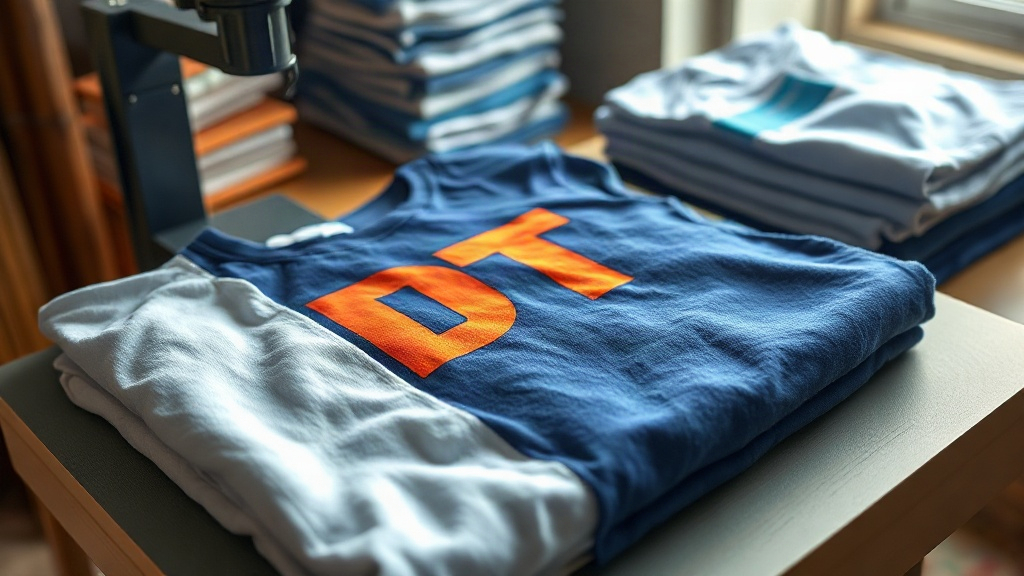
You've spent hours perfecting a design, only to have it crack or fade after a few washes. The culprit? Often, it's not your DTF transfers or your press settings—it's the blank you chose. DTF transfers can adhere beautifully to a wide range of fabrics, but the substrate matters more than most people realize. In this guide, we'll break down how to select blanks that maximize print durability, comfort, and style, with a special focus on two popular brands: Shaka Wear and Smart Blanks.
Why the Blank Matters for DTF Transfers
DTF transfers are printed on a special film, then transferred onto fabric using heat and pressure. The adhesive layer bonds with the fabric fibers. If the fabric is too smooth, too rough, or treated with certain finishes, the bond can fail. Cotton and cotton-poly blends are generally ideal because they have enough texture for the adhesive to grip. However, not all cottons are equal. Ringspun cotton, for example, has a softer, tighter weave that can lead to better coverage and a smoother print. On the other hand, open-end cotton has a rougher surface that may require more pressure or a longer dwell time.
Fabric Composition: The Foundation of Durability
100% cotton is the gold standard for DTF transfers. It handles heat well and provides a reliable surface for the adhesive. Polyester blends are also popular, especially for athletic wear, but they can be trickier. Polyester is sensitive to heat; too much and it can scorch or melt. Also, some polyesters have a slick finish that reduces adhesion. If you're printing on polyester, look for fabrics with a higher cotton content or those labeled as "sublimation-friendly" or "DTF-ready."
Weave and Weight: The Unsung Heroes
The weave affects how the transfer sits on the fabric. A tighter weave, like in combed ringspun cotton, allows the transfer to sit on top, resulting in crisp details. A looser weave, like in some economical tees, may let the adhesive sink in, causing a duller look. Weight also plays a role: heavier fabrics (5.5 oz and up) tend to hold up better over time, while lightweight fabrics (under 4 oz) may stretch and cause cracking. For DTF transfers, a mid-to-heavyweight fabric (5.0–6.5 oz) is a safe bet.
Shaka Wear: A Streetwear Favorite for DTF
Shaka Wear has become a go-to brand for streetwear and urban fashion. Their tees are known for their heavyweight cotton, boxy fit, and durability. For DTF transfers, Shaka Wear blanks offer a substantial surface that accepts transfers well. The fabric is typically 100% cotton, with some styles featuring a cotton-poly blend. The tight knit and heavier weight mean your DTF transfers are less likely to crack or peel. Plus, the trendy oversized fit aligns perfectly with current fashion trends, making them a great choice for custom apparel businesses.
Best Shaka Wear Styles for DTF
- Shaka Wear MAX Heavyweight Tee: 7.5 oz, 100% cotton, ideal for bold designs that need a sturdy canvas.
- Shaka Wear Crewneck Tee: 5.5 oz, 100% cotton, a versatile option for everyday wear.
- Shaka Wear Hoodie: 10 oz, cotton-poly blend, great for hoodies, though pre-press to remove moisture.
Smart Blanks: Affordable Quality for DTF Transfers
Smart Blanks is another brand that has gained traction for offering quality blanks at competitive prices. Their tees are often 100% cotton or cotton-poly blends, with a focus on softness and fit. For DTF transfers, Smart Blanks provide a smooth printing surface that yields vibrant colors. The fabric is usually ringspun, which means a softer hand feel and better print clarity. If you're looking for a budget-friendly option without sacrificing too much quality, Smart Blanks is worth considering. However, note that some lighter-weight styles may require careful handling to avoid scorching during transfer.
Top Smart Blanks Picks for DTF
- Smart Blanks 100% Cotton Tee: 5.3 oz, ringspun cotton, excellent for detailed transfers.
- Smart Blanks Tri-Blend Tee: 4.5 oz, poly-cotton-rayon blend, super soft but requires lower heat settings.
- Smart Blanks Long Sleeve: 5.5 oz, cotton, good for fall and winter designs.
How to Test Blanks for DTF Compatibility
Before committing to a large order, always test a sample. Here's a simple process:
- Pre-press the garment for 5-10 seconds to remove moisture and wrinkles.
- Press your DTF transfer according to the film manufacturer's recommendations (typically 300-325°F for 10-15 seconds).
- Peel the film (hot or cold peel, depending on the film).
- Stretch the print gently. If it cracks, the bond is weak.
- Wash the garment inside out in cold water and tumble dry low. Check for fading or peeling after each wash.
If the transfer fails, try adjusting temperature, pressure, or time. Sometimes a different blank is the only solution.
Common Pitfalls When Choosing Blanks for DTF Transfers
Even experienced printers make mistakes. Here are a few to avoid:
- Ignoring fabric finishes: Some fabrics are treated with silicone or other softeners that repel adhesives. Always wash new blanks before printing to remove finishes.
- Using too much heat: This can scorch the fabric or cause the adhesive to over-melt, leading to a messy transfer.
- Not considering stretch: Highly stretchy fabrics (like spandex blends) can cause the transfer to crack when worn. If you must use stretchy fabric, choose a transfer with a high-elasticity adhesive.
- Overlooking color: DTF transfers are opaque, but on dark fabrics, a white underbase is included. However, on some brightly colored fabrics, the transfer may appear slightly different. Always do a test print.
Maximizing Durability: Tips for Long-Lasting DTF Prints
Once you've chosen the right blank, follow these best practices to ensure your DTF transfers stand the test of time:
- Pre-press before transfer: This removes moisture and wrinkles, ensuring a smooth application.
- Use consistent pressure: Uneven pressure leads to partial adhesion. Invest in a quality heat press.
- Cool down properly: If using a hot peel film, peel immediately; for cold peel, wait until the film is cool to the touch.
- Wash inside out: This protects the print from abrasion. Avoid fabric softeners and bleach.
- Dry on low heat: High heat can degrade the adhesive over time.
Frequently Asked Questions
Can I use DTF transfers on 100% polyester?
Yes, but with caution. Polyester is heat-sensitive, so use lower temperatures (around 280-300°F) and test first. Some polyester fabrics have a coating that may prevent adhesion; washing the garment before printing can help.
Which is better for DTF: Shaka Wear or Smart Blanks?
It depends on your needs. Shaka Wear offers heavier, streetwear-oriented blanks that are great for bold designs. Smart Blanks provides softer, more budget-friendly options. Both work well with DTF transfers, but always test specific styles.
How do I prevent DTF transfers from cracking?
Cracking usually happens when the transfer doesn't adhere properly or the fabric stretches. Use the right fabric (cotton or cotton-poly), ensure proper heat and pressure, and avoid over-stretching the garment when wearing.
Do I need to wash blanks before applying DTF transfers?
It's recommended. Washing removes sizing and finishes that can interfere with adhesion. Just make sure the garment is completely dry before pressing.
What's the best way to store DTF transfers before use?
Keep them in a cool, dry place away from direct sunlight. Humidity can affect the adhesive, so store them in a sealed bag if possible.
Choosing the right blank is a crucial step in creating durable, professional-looking DTF transfers. By understanding fabric composition, weave, and brand characteristics, you can avoid common pitfalls and deliver products your customers will love. Whether you go with Shaka Wear for its heavyweight appeal or Smart Blanks for its softness and value, always test and adjust your process for the best results.