
You've dialed in your press, your temperature is spot on, and your pressure is consistent. Yet somewhere between printing and pressing, your dtf transfers start acting up. The film curls at the edges, the powder clumps into hard little beads, or the finished print feels gritty under your fingertips. These aren't press problems. They're storage and handling problems, and they quietly ruin more jobs than a misadjusted heat press ever will.
Most operators spend their time tweaking temperature and dwell time, but the real culprit often sits on a shelf. Film absorbs moisture. Powder reacts to humidity. Finished prints degrade when stacked wrong. If you've ever pulled a sheet from the drawer and watched it warp before it even hit the platen, you already know what I'm talking about. This guide walks through the fixes that actually work, based on what happens inside the materials themselves.
Why Film Curls and What It's Telling You
PET film is thin, and thin film is a sponge for moisture. When the relative humidity in your shop climbs above 60 percent, the film absorbs water vapor and expands unevenly. The printed side and the unprinted side swell at different rates, and that mismatch is what causes the edges to lift and the sheet to cup. It's not a manufacturing defect. It's physics.
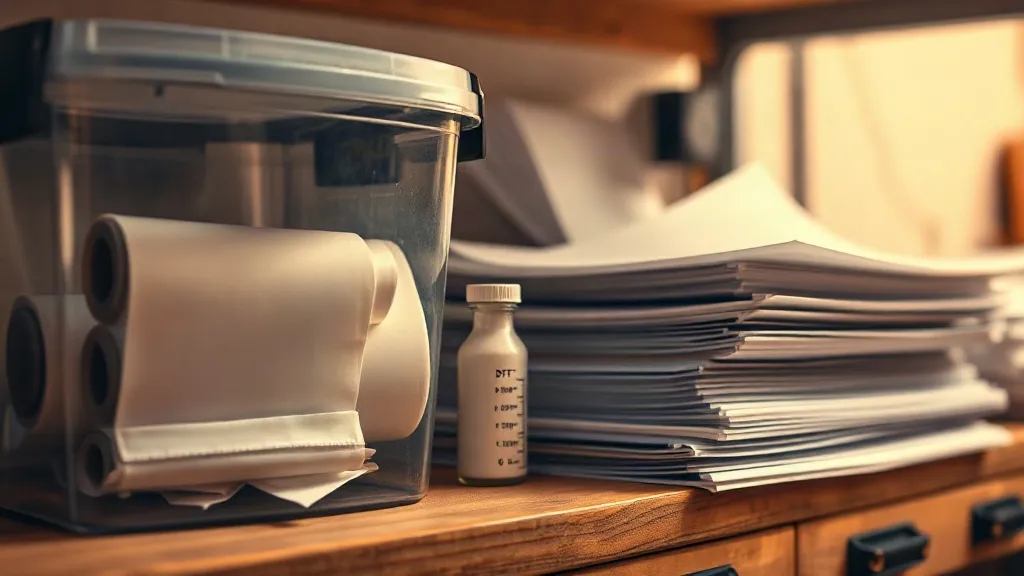
The fix starts with how you store unopened film. Keep rolls in their original sealed bags until you're ready to use them. Once a roll is open, store it in a dry cabinet or a sealed bin with a desiccant pack. If you don't have a dry cabinet, a plastic tote with a few silica gel packets works fine for small shops. Check the desiccant every couple of weeks and recharge or replace it when it stops absorbing.
For sheets that have already curled, don't try to flatten them under a heavy book. That puts stress on the coating and can cause micro-cracks in the release layer. Instead, let them acclimate in a low-humidity environment for a few hours. If you're in a rush, a warm (not hot) dry box at around 35°C for 30 minutes usually brings them back flat enough to print.
The Quick Test for Film Readiness
Before you load a sheet, do a simple bend test. Hold the film by opposite corners and flex it gently. If it feels stiff or you hear a faint crackling, the coating is too dry and brittle. If it feels limp and floppy, it's absorbed too much moisture. Good film should flex smoothly with a slight resistance and no sound. This ten-second check saves you from wasting powder and press time on a sheet that was never going to release cleanly.
Powder Problems: Clumps, Beads, and Grit
Adhesive powder is hygroscopic, meaning it pulls moisture from the air. Once it absorbs enough water, it stops flowing like a fine dust and starts clumping into beads. Those beads melt unevenly during curing, which is why you end up with a gritty texture or small hard spots on the finished transfer. The powder itself isn't bad. It's just wet.
Store powder in an airtight container, ideally one with a screw-top lid and a rubber gasket. Don't leave it in the hopper overnight if your shop isn't climate-controlled. If you live in a humid climate, keep a small rechargeable dehumidifier near your powder station, or store the container in the same dry cabinet as your film. A cheap hygrometer on the wall tells you when the room is drifting out of range.
If your powder has already clumped, you can sometimes salvage it. Spread it in a thin layer on a baking sheet and dry it at low heat (around 40°C) for 20 to 30 minutes, stirring gently every five minutes. Don't go hotter, because the powder can start to soften and fuse. Once it's dry, sift it through a fine mesh strainer before returning it to the container. If the clumps are hard and won't break down, it's time to replace the batch.
Shaking vs. Sprinkling
How you apply powder matters as much as how you store it. Shaking from a height of 20 to 25 centimeters gives you a more even coat than sprinkling close to the film. A light, back-and-forth motion across the whole sheet, followed by a gentle tap on the back to knock off excess, produces a consistent layer. If you're seeing bare patches, you're not shaking enough. If you're seeing powder piled up in corners, you're shaking too close or too long.
Handling Finished Prints Without Damaging Them
Once a transfer is cured and cooled, it's surprisingly fragile in ways that aren't obvious. The adhesive layer is thin, and stacking prints face-to-face can cause the powder to stick to the film above it. Always stack prints with the powder side up, or interleave them with silicone-coated release paper. If you're storing them in a drawer, keep them flat and don't pile more than 15 to 20 sheets high. The weight of too many sheets can compress the adhesive and make it harder to release later.
Temperature swings are the enemy here too. A print that's stored in a cold garage and then brought into a warm shop will sweat. Condensation forms on the film and the powder, and that's when you see mysterious adhesion failures that don't match your press settings. Let prints acclimate in their storage container for at least an hour before pressing if they've been in a cold environment.
When to Source Local and When to Order Online
If you're running a small shop and you've had a string of bad luck with film and powder, it's worth checking whether your supplier is storing materials properly before they reach you. Searching for dtf transfers near me can connect you with a local provider who delivers in person, which cuts down on transit time and the temperature swings that come with shipping. Local pickup also lets you inspect the film before you buy, so you can feel whether it's supple or brittle.
For shops that order online, ask your supplier how they package film and powder. Good suppliers ship film in sealed bags with desiccant and powder in double-sealed containers. If your last order arrived with loose powder in the box or film that was already curling, that's a red flag. A quick email to the supplier about their storage practices can save you weeks of troubleshooting.
A Simple Storage Setup That Works
You don't need a climate-controlled room to keep dtf materials in good shape. A basic setup works for most small to mid-size shops:
- A sealed plastic tote for open film rolls, with two or three rechargeable silica gel packs.
- A separate airtight container for powder, stored away from heat sources and direct sunlight.
- A wall-mounted hygrometer so you can see when humidity is climbing.
- A flat drawer or shelf for finished prints, lined with silicone release paper.
- A small dehumidifier for the room if humidity regularly exceeds 60 percent.
Label your containers with the date you opened them. Film and powder don't last forever, and older materials behave differently. A roll that's been open for six months in a humid shop won't perform like a fresh one, even if it looks fine. Rotating stock means you're always working with materials that are in their prime.
Frequently Asked Questions
How can I tell if my DTF film has absorbed too much moisture?
Do the bend test. Film that's too wet feels limp and floppy and may show a slight wave along the edges. Film that's too dry feels stiff and crackles faintly when flexed. Good film flexes smoothly with light resistance. If the film is limp, let it dry in a low-humidity environment for a few hours before printing.
Can I reuse powder that has clumped?
Sometimes. If the clumps are soft and break apart easily, you can dry the powder at low heat (around 40°C) and sift it through a fine mesh strainer. If the clumps are hard or the powder has changed color, replace it. Reusing compromised powder usually leads to uneven curing and a gritty finish.
Why do my prints feel rough after curing even though I used the same settings as before?
Roughness almost always points to moisture in the powder or an uneven powder application. Check your storage first. If the powder is dry, look at how you're shaking it onto the film. A coat that's too thick will cure unevenly and feel gritty. Aim for a light, even layer that just covers the ink.
Is it better to store finished transfers flat or rolled?
Flat is better for short-term storage. Rolling can put stress on the adhesive layer and cause the film to take a set, which makes it harder to lay flat on the garment later. If you must roll, roll with the powder side out and use a wide core to keep the curve gentle.
How often should I replace my desiccant packs?
Rechargeable silica gel packs usually need recharging every two to four weeks in a humid shop, or every two to three months in a dry climate. Many packs change color when saturated. If yours don't, weigh them or just recharge on a schedule. It's a cheap habit that prevents a lot of wasted film.