
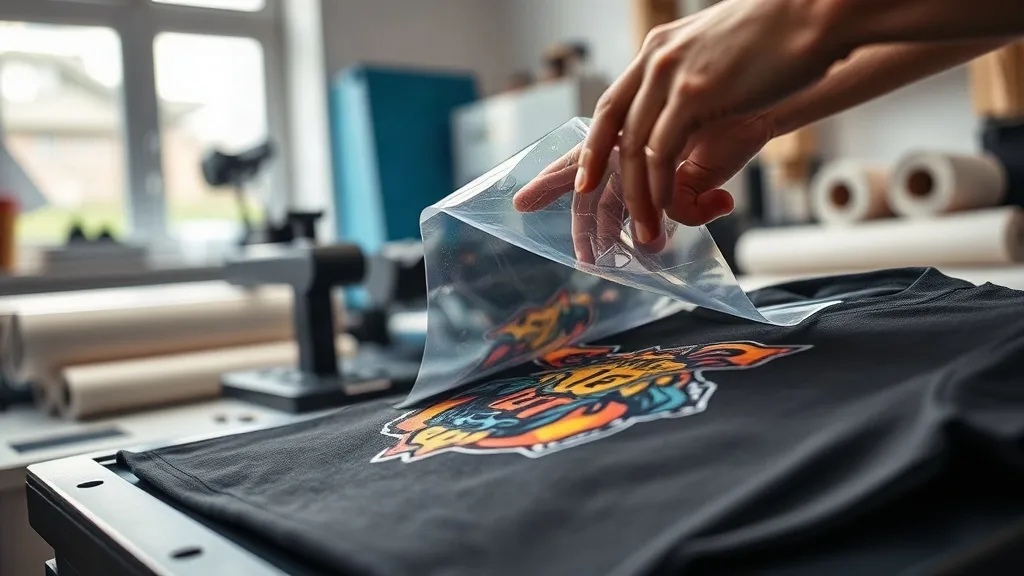
If you've been exploring custom apparel printing, you've likely encountered dtf transfers. This innovative technology is rapidly gaining popularity for its versatility and stunning results. Unlike traditional methods that require specific fabrics or complex setups, dtf transfers offer a straightforward way to add vibrant, durable designs to almost any garment. In this guide, we'll walk you through everything you need to know about DTF printing, from the science behind it to practical application tips, so you can achieve professional-quality prints right in your workshop.
What Are DTF Transfers?
DTF stands for Direct to Film. It's a printing process where your design is printed onto a special PET film using water-based inks, then coated with a hot-melt adhesive powder. Once the powder is cured, the transfer is ready to be applied to fabric using a heat press. The magic lies in the adhesive: when heated, it bonds the ink to the fabric, creating a soft, stretchable print that feels like part of the garment. Because the design is printed on film first, you can transfer it onto a wide range of materials, including cotton, polyester, blends, and even leather. This flexibility sets dtf transfers apart from methods like screen printing or vinyl cutting, which often have limitations on fabric type or color.
Why Choose DTF Transfers?
There are several compelling reasons to consider DTF for your next project. First, the prints are incredibly durable. They withstand repeated washing without cracking, peeling, or fading, thanks to the strong adhesive bond and the quality of the inks. Second, DTF allows for full-color designs with fine details, gradients, and photographic images, all without the need for color separations or multiple screens. This makes it ideal for small businesses or individuals who want to offer custom apparel without investing in expensive equipment. Third, DTF is cost-effective for short runs. You can print one-off designs or small batches without the setup costs associated with screen printing. Finally, the softness of the print is remarkable. Unlike some heat transfers that feel rubbery, DTF prints are thin and flexible, moving with the fabric for a comfortable wear.
How DTF Transfers Work: Step by Step
Understanding the process helps you troubleshoot and perfect your technique. Here's a breakdown of the key stages:
1. Design Preparation
Start with a high-resolution image. Vector files are ideal, but high-quality PNGs with transparent backgrounds work well too. Remember that DTF prints white ink as a base layer, so you don't need to worry about the fabric color showing through. However, if your design has white areas, they'll be printed with white ink, which adds opacity. Make sure your design is mirrored if required by your printer software, but most DTF printers handle this automatically.
2. Printing
The design is printed onto a special PET film using a DTF printer. These printers use CMYK plus white ink. The white ink is printed first as a base, followed by the colors. This layering is crucial for vibrant prints on dark fabrics. After printing, the film is dusted with a hot-melt adhesive powder. The excess powder is shaken off, and the film is cured in an oven or with a heat gun until the powder melts and forms a smooth, clear layer. This step is critical; undercuring leads to poor adhesion, while overcuring can cause the film to warp.
3. Transferring to Fabric
Once cured, the transfer is ready to apply. Set your heat press to the temperature and time recommended by your film and powder supplier. Typically, this is around 300°F to 330°F for 10-15 seconds with medium pressure. Place the transfer on the garment, adhesive side down, and press. After pressing, allow the garment to cool completely before peeling the film. You can peel it hot or cold, depending on the film type, but cold peel is more common for DTF. If any part of the design lifts, simply press again for a few seconds.
Choosing the Right Materials
Not all DTF films and powders are created equal. The quality of your supplies directly impacts the final result. Look for films that are designed for your printer type and offer good ink reception. The adhesive powder should have a low melting point and be fine-grained for smooth application. Additionally, the fabric you choose matters. While DTF works on many materials, tightly woven fabrics like cotton and polyester blends yield the best results. For stretchy fabrics like spandex, ensure your transfer is also stretchable to prevent cracking. Always test on a scrap piece before committing to a full production run.
Common Challenges and How to Overcome Them
Even with the best equipment, you might encounter issues. Here are some common problems and solutions:
- Print cracking after washing: This usually indicates undercuring of the powder or insufficient pressure during transfer. Increase curing time or temperature, and ensure your heat press applies even pressure.
- Design peeling off: If the transfer peels, it might be due to insufficient heat, pressure, or time. Try increasing any of these variables. Also, check that the fabric is clean and free of fabric softeners, which can inhibit adhesion.
- Dull colors: This can happen if the white ink layer is too thin or if the transfer is overcured, causing the inks to fade. Adjust your printer settings to increase white ink density, and avoid overcuring.
- Film sticking to the press: Use a Teflon sheet or parchment paper between the transfer and the heat platen to prevent sticking.
DTF vs. Other Printing Methods
How does DTF stack up against screen printing, DTG, and vinyl? Screen printing is cost-effective for large orders but requires setup and works best on flat fabrics. DTG (Direct to Garment) is great for cotton but struggles with polyester and dark colors. Vinyl is durable but limited in color and detail. DTF combines the best of these: it handles complex designs, works on various fabrics, and is economical for short runs. The main trade-off is the need for a heat press and a DTF printer, but the versatility often justifies the investment.
Applications of DTF Transfers
DTF is not just for t-shirts. You can use it on hoodies, tote bags, caps, denim jackets, and even shoes. It's perfect for personalizing gifts, creating team uniforms, or launching a custom apparel brand. Because the prints are soft and stretchable, they're comfortable on activewear too. The possibilities are vast, limited only by your imagination.
Frequently Asked Questions
Can I use DTF transfers on 100% polyester?
Yes, DTF works well on polyester. However, polyester requires lower pressing temperatures to avoid scorching. Use a temperature around 280°F to 300°F and test first. The print may feel slightly stiffer on polyester compared to cotton, but it will still be durable.
How long do DTF prints last?
With proper application and care, DTF prints can last as long as the garment itself. Wash inside out in cold water and avoid bleach and fabric softeners. Tumble dry low or hang dry. Following these guidelines, you can expect the print to remain vibrant and intact for years.
Do I need a special printer for DTF?
Yes, you need a DTF printer that uses DTF inks and has a white ink channel. However, you can also buy pre-printed DTF transfers from suppliers if you don't want to invest in a printer. This is a great way to start.
What is the difference between DTF and DTG?
DTG prints directly onto the garment, while DTF prints onto a film first and then transfers to the garment. DTF works on more fabric types, including polyester, and produces more durable prints on dark colors. DTG is limited mainly to cotton and requires pre-treatment.
Can I layer DTF transfers?
Yes, you can layer DTF transfers, but it's tricky. You'll need to press the first transfer, then apply the second on top. Use a lower temperature for the second press to avoid disturbing the first layer. Alternatively, design your artwork with layers in mind and print as one transfer.
DTF transfers are revolutionizing the custom apparel industry with their ease of use, versatility, and professional results. Whether you're a hobbyist or a business owner, mastering DTF can open up new creative and commercial opportunities. With the right supplies and a bit of practice, you'll be producing stunning, long-lasting prints in no time.