
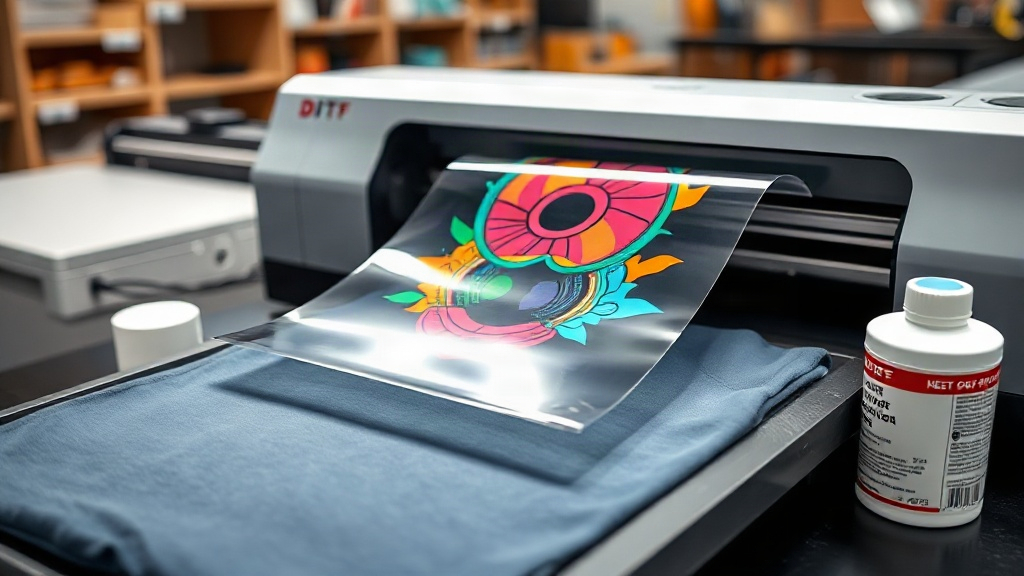
If you've been exploring custom apparel printing, you've likely encountered DTF printing. Short for Direct-to-Film, this method has quickly become a favorite among hobbyists and professionals alike for its ability to produce vivid, detailed designs on a wide range of fabrics. Unlike traditional methods that require specific materials or extensive setup, DTF printing offers a streamlined workflow that delivers impressive results. In this guide, we'll walk you through the essentials of DTF printing, from the basic process to practical tips for getting started.
What is DTF Printing?
DTF printing is a digital printing technique where your design is printed onto a special film, coated with a powder adhesive, and then heat-pressed onto the fabric. The magic lies in the transfer: the film acts as a carrier, allowing the ink to adhere to the garment through the adhesive. This process works on cotton, polyester, blends, and even treated nylon, making it incredibly versatile compared to other methods like DTG or vinyl cutting.
The technology behind DTF has evolved rapidly, with printers now capable of producing high-resolution images with fine details and smooth gradients. Because the design is printed on film first, you can prepare transfers in advance and apply them on demand, which is a game-changer for small businesses and on-demand production.
How Does DTF Printing Work?
Understanding the DTF workflow helps you appreciate its simplicity and efficiency. Here's a step-by-step breakdown of the process:
- Design Preparation: Create or source your artwork. Ensure it's in a high-resolution format (300 DPI is ideal) and mirror the image horizontally before printing, as the transfer will be flipped when applied.
- Printing: Load the DTF film into a compatible printer equipped with pigment inks (usually CMYK plus white). The printer lays down the colored inks first, followed by a white ink layer that acts as a base for opacity.
- Powdering: While the ink is still wet, the film is sprinkled with a hot-melt adhesive powder. The powder sticks to the wet ink, and excess powder is shaken off.
- Curing: The film passes through a heat source (like a heat press or curing oven) to melt the powder, creating a smooth, dry adhesive layer. This step is crucial for durability.
- Transfer: Once cooled, the film is placed onto the garment and heat-pressed at a specific temperature and pressure. The adhesive bonds with the fabric, and after cooling, the film is peeled away, leaving the design behind.
Each step requires attention to detail, but the overall process is forgiving and allows for consistent results with practice.
Why Choose DTF Printing?
DTF printing stands out for several reasons. First, it eliminates the need for pre-treating garments, which is often required in DTG printing. This saves time and reduces chemical use. Second, because the design is transferred from a film, you can print on dark and light fabrics with equal vibrancy, thanks to the white ink base. Third, the durability of DTF prints is impressive; when applied correctly, they withstand repeated washing without cracking or fading.
Another advantage is the ability to print on unconventional items like canvas bags, hats, and even leather, as long as they can handle the heat press. This opens up creative possibilities beyond apparel. Additionally, DTF allows for fine details and photographic-quality images that other methods might struggle to reproduce.
DTF vs. Other Printing Methods
To appreciate DTF fully, it helps to compare it with alternatives. Here's a quick rundown:
- DTG (Direct-to-Garment): Best for 100% cotton, but requires pre-treatment and often struggles with polyester. DTF works on more fabrics and doesn't need pre-treatment.
- Screen Printing: Cost-effective for large orders but impractical for small batches or complex designs. DTF shines for one-offs and detailed art.
- Vinyl Cutting (HTV): Great for simple shapes and text but limited in color gradients and fine details. DTF handles full-color images effortlessly.
- Sublimation: Only works on polyester and light-colored fabrics. DTF is more versatile.
While each method has its place, DTF offers a balance of quality, versatility, and ease that makes it a top choice for many.
Getting Started with DTF Printing
Ready to dive into DTF? Here's what you'll need and some tips to set yourself up for success.
Essential Equipment
- DTF Printer: A dedicated printer with DTF inks and white ink circulation. Brands like Epson converted models or purpose-built DTF printers are available.
- DTF Film: PET film designed for DTF, usually available in sheets or rolls.
- Adhesive Powder: Hot-melt powder, typically TPU-based, in fine or medium grade.
- Heat Press: A reliable heat press capable of reaching 325°F (160°C) and applying even pressure.
- Curing Oven or Heat Gun: For melting the powder, though some use the heat press itself.
- Design Software: Any graphic design tool (Photoshop, Illustrator, or free alternatives like GIMP) for creating and mirroring artwork.
Step-by-Step Tutorial
Let's walk through a basic DTF transfer application:
- Print your design: Mirror the image and print it onto the DTF film using your printer. Ensure the white ink layer is properly configured.
- Apply powder: While the ink is wet, generously sprinkle adhesive powder over the design. Shake off excess.
- Cure the powder: Place the film in a curing oven at around 320°F (160°C) for 2-3 minutes, or until the powder melts and becomes glossy. Alternatively, use a heat press with the film between two sheets of parchment paper for 30 seconds.
- Prepare the garment: Preheat your heat press to 325°F (160°C) and pre-press the garment for a few seconds to remove moisture.
- Press the transfer: Place the cured film onto the garment, cover with parchment paper, and press for 15-20 seconds with medium pressure.
- Peel and finish: Allow the transfer to cool completely (cold peel) before removing the film. For a softer feel, you can do a second press for 5 seconds after peeling.
Common Pitfalls and How to Avoid Them
- Insufficient powder: If the powder doesn't cover the ink completely, the transfer may not adhere properly. Always check for even coverage.
- Improper curing: Under-cured powder leads to washing off; over-curing can cause the film to warp. Follow temperature and time guidelines.
- Wrong pressure: Too little pressure results in poor adhesion; too much can cause ink to spread. Experiment with your press.
- Peeling too soon: Hot peeling can stretch the design. Wait until it's cool to the touch.
Tips for Stunning DTF Prints
To elevate your DTF game, consider these practical tips:
- Use high-quality film and powder: Cheaper alternatives may save money but often lead to inconsistent results.
- Maintain your printer: Regular cleaning and ink circulation prevent clogs, especially with white ink.
- Experiment with fabrics: DTF works on many materials, but always test on a swatch before full production.
- Store transfers properly: Keep unused films in a cool, dry place to prevent powder from absorbing moisture.
- Adjust for fabric type: For stretchy fabrics, use a stretch additive or lower pressure to avoid cracking.
Frequently Asked Questions
What fabrics can I use with DTF printing?
DTF printing adheres well to cotton, polyester, cotton-poly blends, and even treated nylon and leather. It's not recommended for fabrics with a heavy silicone coating or those that can't withstand heat.
How durable are DTF prints?
When applied correctly, DTF prints are highly durable and can withstand dozens of washes without cracking or fading. Proper curing and pressing are key to longevity.
Do I need a special printer for DTF?
You can convert certain inkjet printers to use DTF inks, but dedicated DTF printers are recommended for consistent results. They come with white ink circulation systems and are designed for the process.
Can I use DTF on dark shirts?
Absolutely! The white ink layer in DTF printing provides a bright base that makes colors pop on dark fabrics. No pre-treatment is needed.
Is DTF printing cost-effective for small businesses?
Yes, DTF is cost-effective for small batches and on-demand printing because you can print transfers as needed without minimum orders. The initial setup cost may be higher, but the versatility pays off.
With its flexibility, vibrant results, and growing community support, DTF printing is a fantastic addition to any custom apparel toolkit. Whether you're a hobbyist or a business owner, mastering DTF opens up a world of creative possibilities. So gather your supplies, fire up your printer, and start experimenting. Your next masterpiece is just a transfer away.