
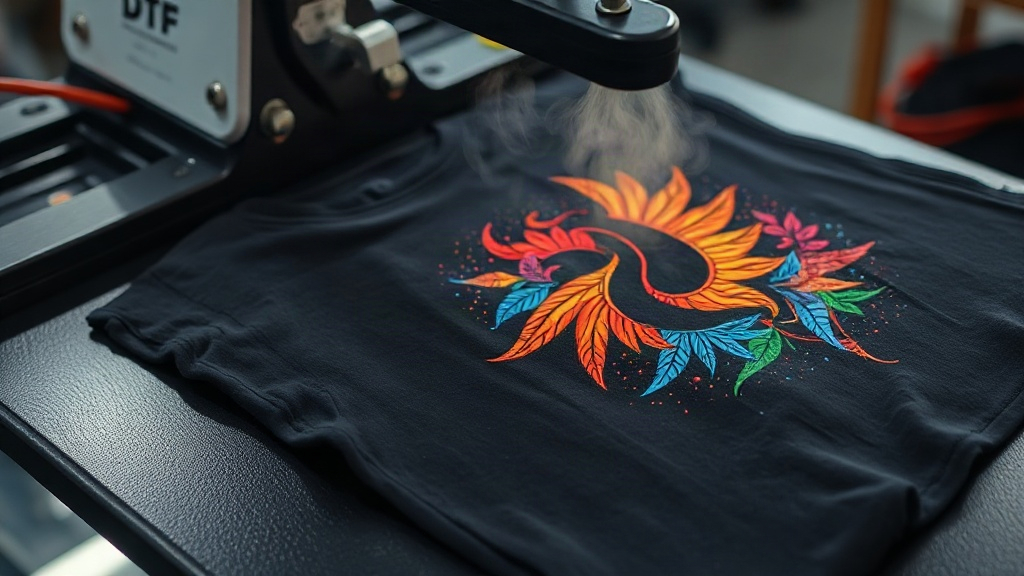
Custom apparel has never been more accessible, thanks to DTF transfers. Whether you're a small business owner, a DIY enthusiast, or part of a large print shop, understanding DTF technology can elevate your game. Unlike traditional methods, DTF transfers offer unparalleled versatility and vibrant results on a wide range of fabrics. In this guide, we'll dive deep into what DTF transfers are, how they work, and why they might be the perfect solution for your next project.
What Are DTF Transfers?
DTF stands for Direct to Film. It's a printing technology where your design is printed onto a special film, coated with a powder adhesive, and then heat-pressed onto the fabric. This method eliminates the need for pre-treatment or special fabrics, making it incredibly versatile. The process involves printing with water-based inks onto a PET film, sprinkling a hot-melt adhesive powder, and curing it. When you're ready to apply, you simply place the transfer on your garment and press. The result? A soft, stretchable, and durable print that can withstand repeated washing.
How DTF Transfers Work: Step by Step
Understanding the DTF process helps you appreciate its capabilities. Here's a breakdown of the steps:
- Design Preparation: Create your artwork in a graphics program. DTF supports full-color designs without color limitations, so you can go wild with gradients and photorealistic images.
- Printing: The design is printed onto a special film using a DTF printer. White ink is typically used as a base to ensure opacity on dark fabrics.
- Powder Application: While the ink is still wet, a fine adhesive powder is applied. The excess powder is shaken off, leaving a thin layer that will bond the print to the fabric.
- Curing: The film is then heated to melt the powder, creating a smooth, dry transfer. This step is crucial for durability.
- Transfer: Using a heat press, the transfer is applied to the garment. After pressing, the film is peeled away (hot or cold peel, depending on the film type), leaving the design behind.
Why Choose DTF Transfers?
DTF transfers have gained massive popularity for several compelling reasons. Let's explore the key benefits:
- Fabric Versatility: Unlike DTG (Direct to Garment) which works best on 100% cotton, DTF adheres to cotton, polyester, blends, and even leather. This opens up a world of possibilities for product offerings.
- No Pre-Treatment: DTG requires pre-treating dark garments, which adds time and cost. DTF skips this step entirely, streamlining production.
- Vibrant Colors: DTF prints are known for their bright, opaque colors, even on dark backgrounds. The white ink base ensures that your design pops.
- Durability: When applied correctly, DTF transfers withstand dozens of washes without fading or cracking. The stretchable adhesive moves with the fabric, reducing cracking.
- Cost-Effective for Small Runs: Unlike screen printing, which requires setup for each color, DTF is economical for short runs and one-offs. No minimums, no waste.
DTF vs. Other Printing Methods
How does DTF stack up against other popular techniques? Here's a quick comparison:
DTF vs. DTG
DTG excels on 100% cotton but struggles with synthetics. DTF works on virtually any fabric and often produces more vibrant colors. DTG may require pre-treatment, while DTF does not. For dark garments, DTF often wins on opacity.
DTF vs. Screen Printing
Screen printing is cost-effective for large orders but has high setup costs and color limitations. DTF shines for small batches and complex designs. Screen printing may offer a slightly softer feel, but DTF has improved significantly and is now comparable.
DTF vs. Vinyl
Heat transfer vinyl (HTV) is great for simple text and shapes but can't handle intricate details or gradients. DTF handles full-color images with ease. HTV requires weeding, which is time-consuming, while DTF is ready to press.
Applications of DTF Transfers
The uses for DTF are vast. Here are some popular applications:
- T-shirts and Hoodies: Create custom apparel for teams, events, or brands.
- Activewear: The stretchability of DTF makes it ideal for leggings, sports jerseys, and performance wear.
- Denim and Jackets: Add designs to denim without the hassle of traditional methods.
- Canvas Bags and Hats: Personalize accessories with detailed logos or artwork.
- Home Decor: Pillows, quilts, and more can be customized with DTF.
Tips for Perfect DTF Transfers
To get the best results, follow these expert tips:
- Choose Quality Supplies: Not all DTF films and powders are created equal. Invest in reputable brands to ensure consistent results.
- Control Moisture: Fabric should be dry before pressing. Moisture can cause adhesion issues.
- Pre-Press Garments: This removes wrinkles and moisture, ensuring a smooth surface.
- Follow Press Parameters: Temperature, pressure, and time vary by film. Always test and follow the manufacturer's recommendations.
- Peel Correctly: Some films require hot peel, others cold. Peeling incorrectly can ruin the transfer.
- Wash Inside Out: To prolong the life of your print, wash garments inside out in cold water and avoid fabric softeners.
Common Mistakes to Avoid
Even seasoned pros make mistakes. Here are pitfalls to watch out for:
- Insufficient Pressure: Without enough pressure, the transfer won't adhere properly.
- Incorrect Temperature: Too hot or too cold can lead to poor adhesion or scorching.
- Rushing the Peel: Let the transfer cool (if cold peel) or peel immediately (if hot peel) as specified.
- Ignoring Fabric Type: Some fabrics like nylon or waterproof materials may require special films or lower temperatures.
Frequently Asked Questions About DTF Transfers
How long do DTF transfers last?
With proper application and care, DTF transfers can last 50+ washes. The key is following wash instructions: inside out, cold water, no bleach or fabric softener.
Can I use DTF transfers on 100% polyester?
Yes! DTF works beautifully on polyester. However, because polyester is heat-sensitive, you should use a lower temperature (around 280°F) and test first to avoid scorching.
Do I need a special printer for DTF?
Yes, DTF requires a dedicated DTF printer that uses pigment inks and can handle the film. However, you can also buy pre-made transfers from suppliers if you don't want to invest in a printer.
What is the best way to store DTF transfers?
Store them in a cool, dry place away from direct sunlight. Keep them flat or rolled, not folded, to prevent creases. Proper storage ensures they remain usable for months.
Can DTF transfers be applied to dark colors?
Absolutely. DTF uses a white ink base, so it's perfect for dark garments. The colors remain vibrant and opaque.
Conclusion
DTF transfers are a game-changer in the custom apparel industry. Their versatility, vibrant results, and ease of use make them an excellent choice for both beginners and professionals. By understanding the process and following best practices, you can create stunning, durable prints that impress your customers. Whether you're printing a single shirt or a hundred, DTF technology delivers. So why not give it a try? Your next custom creation awaits.