
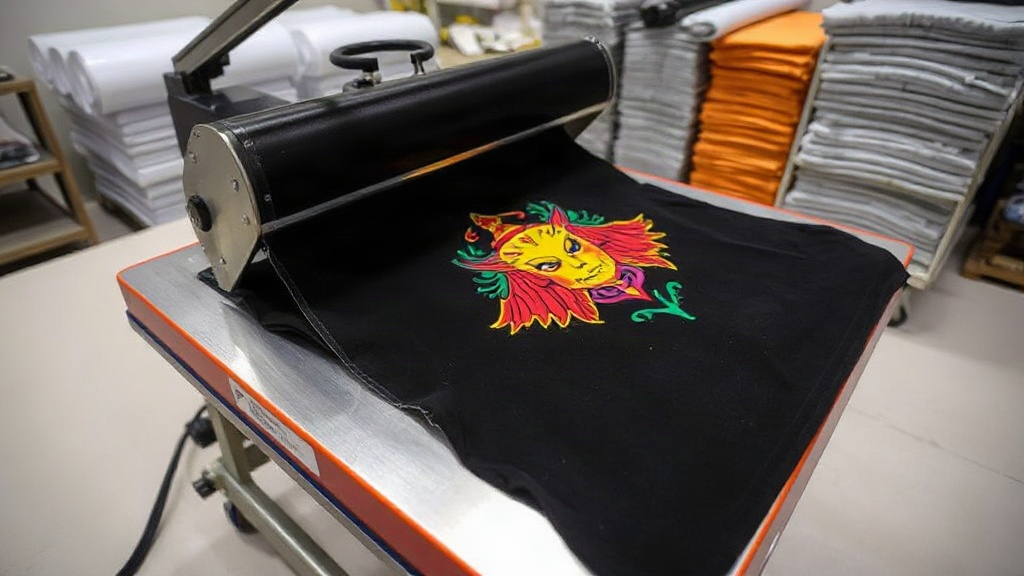
When you want to create custom apparel that stands out, DTF transfers offer a versatile and durable solution. Unlike traditional methods, DTF transfers allow you to print intricate designs on a wide range of fabrics without the limitations of color or material. Whether you're a small business owner, a hobbyist, or a professional printer, understanding DTF transfers can open up new possibilities for your projects.
What Are DTF Transfers?
DTF stands for Direct to Film. It's a printing technology where your design is printed onto a special film, coated with a powder adhesive, and then heat-pressed onto the fabric. The process involves printing with pigment-based inks onto a PET film, applying a thermoplastic polyurethane (TPU) powder, and curing it. The result is a transfer that can be applied to various materials, including cotton, polyester, blends, and even leather.
Unlike DTG (Direct to Garment) printing, which requires pretreatment and works best on 100% cotton, DTF transfers are more versatile. They don't require pretreatment, and they can be used on dark and light fabrics alike. This makes them a favorite for custom t-shirts, hoodies, bags, and more.
Why Choose DTF Transfers?
There are several reasons why DTF transfers have gained popularity in the custom apparel industry. Here are the key benefits:
- Versatility: Can be applied to a wide range of fabrics, including cotton, polyester, nylon, and blends.
- No Pretreatment: Saves time and equipment costs compared to DTG printing.
- Vibrant Colors: Produces bright, detailed prints with fine lines and gradients.
- Durability: With proper application, DTF transfers withstand repeated washing without cracking or fading.
- Cost-Effective for Small Runs: Ideal for short runs and one-off designs, as no screens or plates are needed.
- Stretchability: The transfers stretch with the fabric, making them suitable for athletic wear.
How to Apply DTF Transfers
Applying DTF transfers is straightforward, but following the correct steps ensures a professional and long-lasting result. Here's a step-by-step guide:
- Preheat the Heat Press: Set your heat press to 325°F (160°C) for cotton and blends, or 300°F (150°C) for polyester. Preheat for about 10-15 seconds to remove moisture.
- Position the Transfer: Place the DTF transfer on the garment with the printed side up. Ensure it's positioned correctly.
- Press: Apply medium pressure for 10-15 seconds. For larger transfers, you may need to press in sections.
- Peel: Wait for the transfer to cool completely (cold peel) before removing the film. Some films are hot peel, so check the manufacturer's instructions.
- Post-Press (Optional): For added durability, cover with a Teflon sheet or parchment paper and press for another 5-10 seconds.
Always test on a scrap fabric first to dial in the settings for your specific heat press and materials.
Design Considerations for DTF Transfers
To get the best results from DTF transfers, keep these design tips in mind:
- Resolution: Use high-resolution images (300 DPI) for crisp prints.
- Color Mode: Convert your design to CMYK, as DTF printers use CMYK inks. However, DTF can print white ink, so you can have white elements in your design.
- Background: Remove the background or make it transparent for a clean transfer. DTF transfers don't print white unless specified, so transparent areas will show the fabric color.
- Size: Ensure your design fits within the printable area of your DTF printer and the heat press.
- Text: Use bold fonts for small text to ensure readability after transfer.
DTF vs. Other Printing Methods
How do DTF transfers compare to other popular printing methods? Here's a quick breakdown:
- DTF vs. DTG: DTF works on more fabrics and doesn't require pretreatment; DTG is limited to cotton and needs pretreatment. DTF has a softer feel and better durability on polyester.
- DTF vs. Screen Printing: Screen printing is cost-effective for large orders but requires setup and is limited in colors. DTF is better for small runs and complex designs.
- DTF vs. Vinyl: Vinyl is limited to simple designs and can peel over time. DTF allows full-color, detailed prints that stretch with the fabric.
- DTF vs. Sublimation: Sublimation only works on polyester and light-colored fabrics; DTF works on any color and fabric.
Common Challenges and Solutions
Even though DTF transfers are user-friendly, you might encounter some issues. Here's how to troubleshoot:
- Transfer Not Sticking: Ensure enough pressure, correct temperature, and adequate time. Also, check that the fabric is clean and dry.
- Color Fading After Wash: This could be due to under-curing the powder or insufficient pressure. Increase curing time or pressure.
- Cracking: Usually caused by over-stretching the fabric or improper peel. Allow the transfer to cool completely before peeling.
- Film Residue: If the film leaves residue, it might be due to insufficient cooling. Wait longer before peeling.
Care Instructions for DTF-Printed Apparel
To ensure your DTF transfers last, follow these care instructions:
- Wait 24 hours before washing.
- Turn the garment inside out.
- Machine wash cold with mild detergent.
- Avoid bleach and fabric softeners.
- Tumble dry low or hang dry.
- Do not iron directly on the print; use a pressing cloth if needed.
Frequently Asked Questions
How long do DTF transfers last?
With proper application and care, DTF transfers can last as long as the garment itself. They are durable and resistant to cracking and fading.
Can I use DTF transfers on dark fabrics?
Yes, DTF transfers work on dark fabrics because they include a white ink layer that makes colors pop.
Do I need a special printer for DTF transfers?
You need a DTF printer that uses pigment inks and can print white. Alternatively, you can outsource your transfers to a DTF service.
What is the difference between hot peel and cold peel DTF transfers?
Hot peel transfers are peeled immediately after pressing while still hot, while cold peel transfers must cool completely before peeling. Always follow the manufacturer's instructions.
Can DTF transfers be applied to mugs or other items?
DTF transfers are primarily for fabrics, but with special adhesives, they can be applied to some hard surfaces. However, it's best to use them on textiles.